Chicken Run Ideas With Attached Covered Run
Highlighted under: Homegrown Comfort
I recently embarked on a project to create a safe and cozy chicken run with an attached covered area. It was a simple yet rewarding endeavor, allowing my chickens to thrive while being protected from the elements and predators. As I brainstormed ideas for the design, I wanted to ensure the run was not only functional but also spacious enough for my hens to roam and express their natural behaviors. Utilizing recyclable materials and creative layouts, I was able to construct a fun environment that both chickens and I can enjoy.
As I delved into planning my chicken run, I found plenty of inspiration from online resources and local farms. I quickly realized that an attached covered area could provide shade during hot days and shelter when it rains, keeping my poultry comfortable and happy. A solution that works beautifully for my space is to incorporate a slanted roof, which allows rain runoff and prevents moisture buildup.
In constructing the run, I repurposed some pallets to create a sturdy base and added chicken wire for security. I decorated the run with various perches and a dust bath area, which my chickens adore. Observing them play and explore has been a joy, and I believe that a well-designed space contributes positively to their well-being.
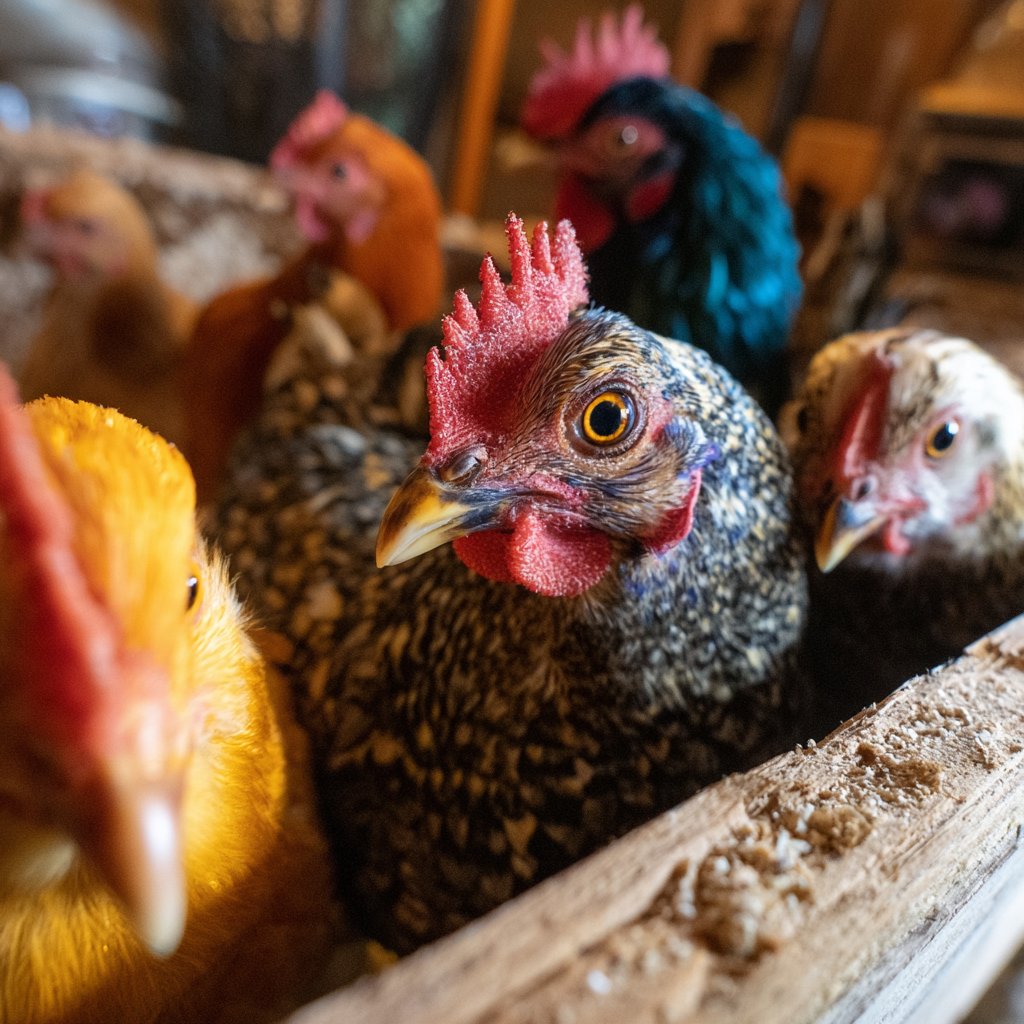
Why You'll Love This Design
- Provides a safe haven for your chickens from predators
- Encourages natural behaviors with enough space to roam
- Affordable materials can be repurposed for eco-friendliness
Design Considerations
When designing your chicken run, it's essential to consider the number of chickens you're accommodating. Each chicken needs a minimum of 4 square feet of outdoor space to ensure they can move freely and express their natural behaviors. A well-thought-out layout should include spaces for foraging, exploring, and resting. By sketching out your design first, you'll be able to visualize how the run can provide both protection and ample space.
Incorporating angles and varied heights can enhance the physical environment within the run. Chickens are naturally curious and enjoy environments that mimic their natural habitats. By adding levels, you can offer them perches at different heights, which can be an entertaining way for them to engage with their surroundings. Make sure to also include sturdy bases for these structures to prevent any instability.
Material Choices
Utilizing recycled materials not only saves money but also contributes to a more sustainable project. Pallets can be used both for constructing walls and for crafting perches. However, it's essential to ensure that the pallets are untreated and safe for your chickens. Avoid any materials that have been chemically treated, as they can be harmful if pecked or ingested. Opt for weather-resistant wood or untreated plywood for the frame, which will enhance durability against outdoor elements.
Chicken wire is crucial for keeping your flock safe from predators. When securing it, ensure that there are no loose edges or gaps that could allow small animals to enter. I found that double-layering the wire at the bottom, especially in areas prone to digging, provides added security. Regularly checking the integrity of the wire and making necessary repairs can prevent potential breaches in safety.
Maintenance and Sustainability
Creating a setup that's easy to maintain is key to ensuring the well-being of your chickens. Implementing a simple cleaning routine—such as weekly spot checks for waste and debris—can significantly reduce odor and flies. Additionally, dedicating one section of the run for a compost area can help recycle chicken droppings into nutrient-rich compost for your garden, completing a sustainable loop.
If you have the space, consider rotating the run periodically to prevent overgrazing in one area. This approach allows the grass and soil to recover, providing a healthier environment for your chickens. By moving the run every few months, you can also introduce new vegetation for your hens to forage and explore, contributing to their overall happiness and health.
Steps to Build Your Chicken Run
Follow these easy steps to create a successful chicken run:
Design Your Layout
Sketch out the dimensions of your chicken run and attached covered area, ensuring it's spacious enough for the number of chickens you have.
Gather Materials
Collect pallets, chicken wire, wood for the frame, and any other materials you wish to use. Recycling what you can will save you money.
Build the Structure
Start by constructing the frame using strong wood pieces, and then attach the chicken wire securely to keep your chickens safe.
Built-in Features
Incorporate features like perches, nesting boxes, and a dust bathing area to make your chickens comfortable and entertained.
Create the Covered Area
Add a slanted roof over part of the run to offer shelter from rain and shade during sunny days.
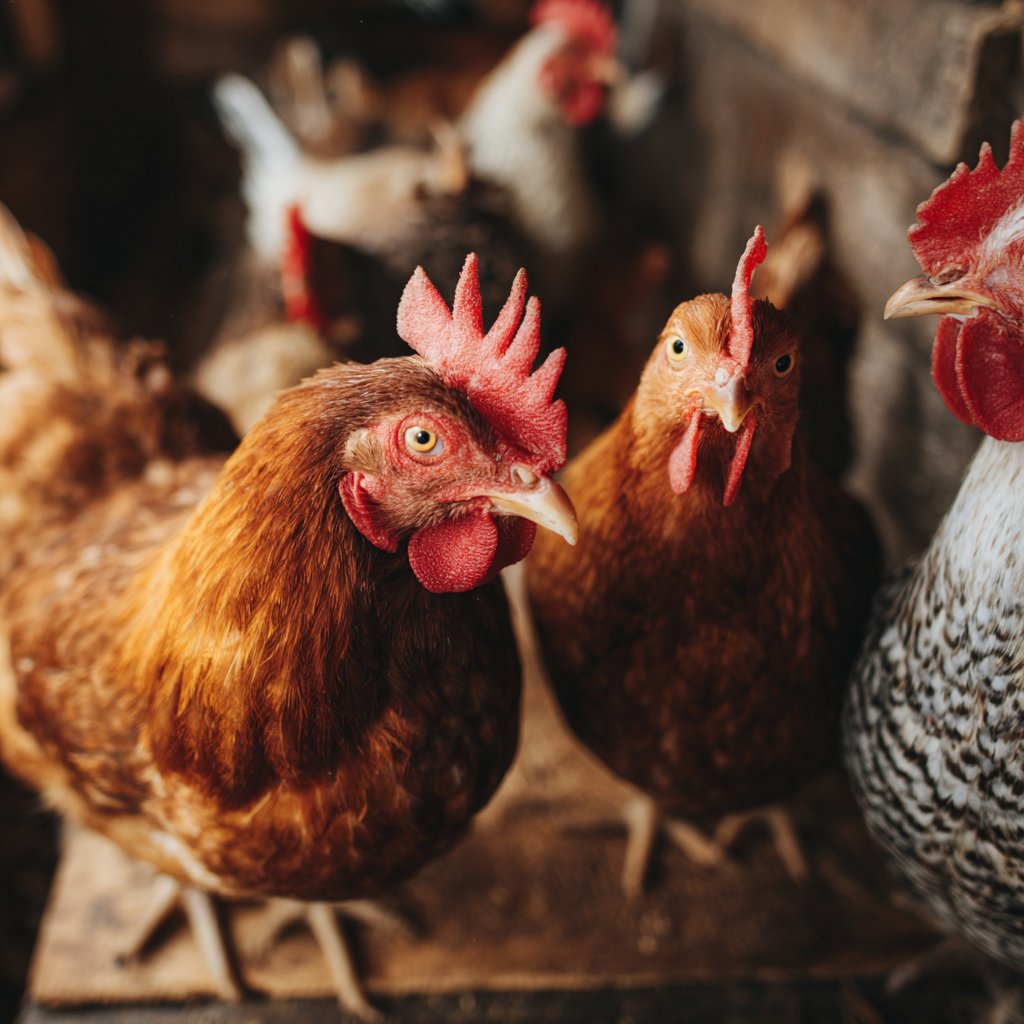
Pro Tips
- Always consider the local climate when designing your chicken run to ensure it's suitable for your chickens throughout the year.
Expanding Your Design
If you’re looking to extend your chicken run, consider using fencing or mesh netting to increase the area without building an entirely new structure. This not only adds space but also offers variety in the environment. For instance, you could use portable fencing that allows rotation, giving chickens fresh areas to explore and graze. Keep in mind, however, to always secure the perimeter well to prevent any predators.
Additionally, adding shade structures such as tarps or lightweight shade cloth can enhance the comfort of your chickens, guarding them against the sun's harsh rays during those hotter months. Placing these shelters strategically within the run will create a balanced environment, where chickens can choose their preferred area based on their comfort needs.
Chickens' Behavior and Well-Being
Understanding the behaviors of your chickens can lead to a more harmonious living environment. Chickens thrive when they have the opportunity to engage in natural activities such as foraging and dust bathing. Ensure that there’s a designated area with soft dirt for dust bathing, as this is crucial for their feather maintenance and skin health. Providing these outlets can significantly enhance their quality of life.
Another behavior to foster is social interaction among chickens. Ensure you house them in groups, as they are social animals that benefit from companionship. If you notice any bullying or aggression, consider separating aggressive individuals temporarily until behaviors normalize. Remember, a low-stress environment is vital for happy and healthy chickens.
Preparing for Seasonal Changes
As seasons change, so too should your management practices for the chicken run. In colder months, consider adding insulation to the covered area to protect your flock from harsh weather. Straw bales can serve as both insulation and a nesting material. During hot weather, ensure there is proper ventilation and shade so that your chickens remain comfortable and hydrated.
Regularly check for any signs of wear on both the run and the covered area, especially after heavy rain or snow. It's best to make these checks a part of your routine maintenance plan, as addressing any issues early can prevent larger problems down the line. Keeping your local climate in mind allows you to tailor the run’s environment specifically to your needs and those of your chickens.
Questions About Recipes
→ How much space do my chickens need?
Chickens typically require at least 10 square feet per bird in an outdoor run.
→ What materials are best for a chicken run?
Wood and wire fencing are popular and effective, but you can also repurpose pallets or other materials.
→ Can I let my chickens roam free in the yard?
Yes, but ensure your yard is safe from predators and has no toxic plants.
→ How do I keep my chickens safe?
Make sure to secure all openings with wire and provide a covered area where they can stay protected from the elements.
Chicken Run Ideas With Attached Covered Run
Created by: Ruby Lawson
Recipe Type: Homegrown Comfort
Skill Level: Beginner
Final Quantity: 4-6 chickens
How-To Steps
Sketch out the dimensions of your chicken run and attached covered area, ensuring it's spacious enough for the number of chickens you have.
Collect pallets, chicken wire, wood for the frame, and any other materials you wish to use. Recycling what you can will save you money.
Start by constructing the frame using strong wood pieces, and then attach the chicken wire securely to keep your chickens safe.
Incorporate features like perches, nesting boxes, and a dust bathing area to make your chickens comfortable and entertained.
Add a slanted roof over part of the run to offer shelter from rain and shade during sunny days.
Extra Tips
- Always consider the local climate when designing your chicken run to ensure it's suitable for your chickens throughout the year.
Nutritional Breakdown (Per Serving)
- Calories: 0 kcal