Baking & Desserts Classic Vanilla Butter Cake
Highlighted under: Oven-Made Sweets
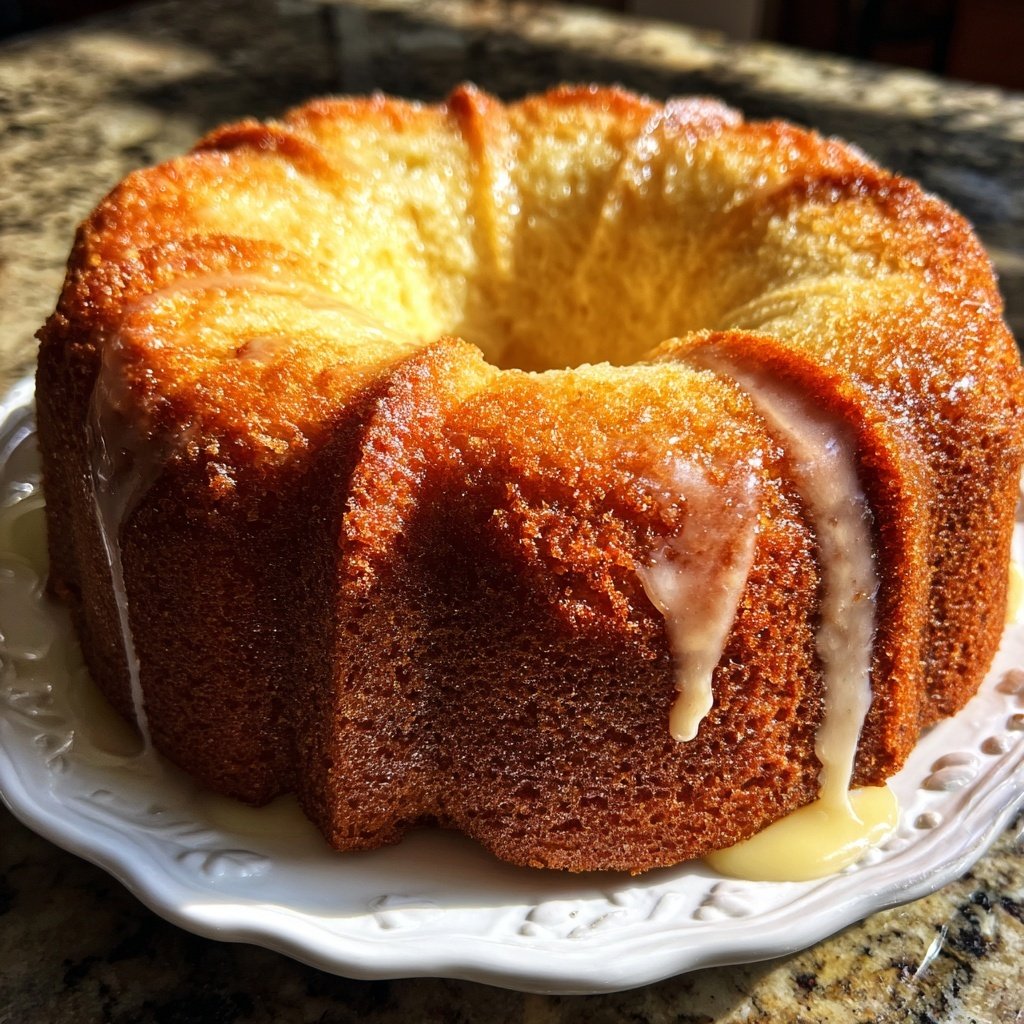
When it comes to baking, I always seek that perfect balance of flavors and texture, and the classic vanilla butter cake never disappoints. This cake has been a staple in my kitchen for years and is my go-to for celebrations and family gatherings. The buttery richness combined with the heavenly vanilla flavor creates a delightful experience that lingers long after the last bite. With just a few simple ingredients, you can whip up a cake that is both impressive and satisfying, making it ideal for any occasion.
My love affair with baking began with this classic vanilla butter cake, and it has since become a cherished recipe I pass down to friends and family. I recall trying different methods to achieve that perfect rise, and I found that creaming the butter and sugar thoroughly makes all the difference. This step incorporates air, which ultimately results in a light and fluffy texture that melts in your mouth.
What I find particularly delightful about this recipe is how versatile it is. While I often enjoy it plain, I’ve experimented by adding lemon zest or almond extract for a unique twist. For those trying this for the first time, remember to let the cake cool completely before frosting; this will help prevent the frosting from sliding off, and it ensures a beautifully presented cake that's just as delicious.
Why You'll Love This Recipe
- Buttery richness that melts in your mouth
- Deliciously fragrant with pure vanilla extract
- Perfect base for any frosting or fruit topping
Understanding the Ingredients
Each ingredient in this classic vanilla butter cake plays a critical role in achieving the perfect texture and flavor. The unsalted butter not only adds richness but also helps create a tender crumb. Make sure your butter is softened to room temperature before you start creaming it with sugar; this helps incorporate air, leading to a lighter cake. If you're in a pinch, you can substitute with equal parts of margarine, but the cake may lack its signature buttery flavor.
The choice of flour is equally important. Using all-purpose flour will yield a balanced structure that isn't too dense or airy. For a gluten-free variation, consider using a gluten-free all-purpose flour blend, making sure it contains xanthan gum to mimic the elasticity of gluten. Also, the baking powder must be fresh to ensure the cake rises effectively; expired baking powder can lead to a flat cake, so check the expiration date before you bake.
Baking Techniques for Success
Proper mixing techniques are crucial when preparing this batter. After creaming the butter and sugar, add eggs one at a time, allowing each to fully incorporate. This not only ensures even distribution but also helps emulsify the mixture, creating a smoother batter. If the mixture appears curdled after adding the eggs, simply continue mixing; it will come together as you add the dry ingredients.
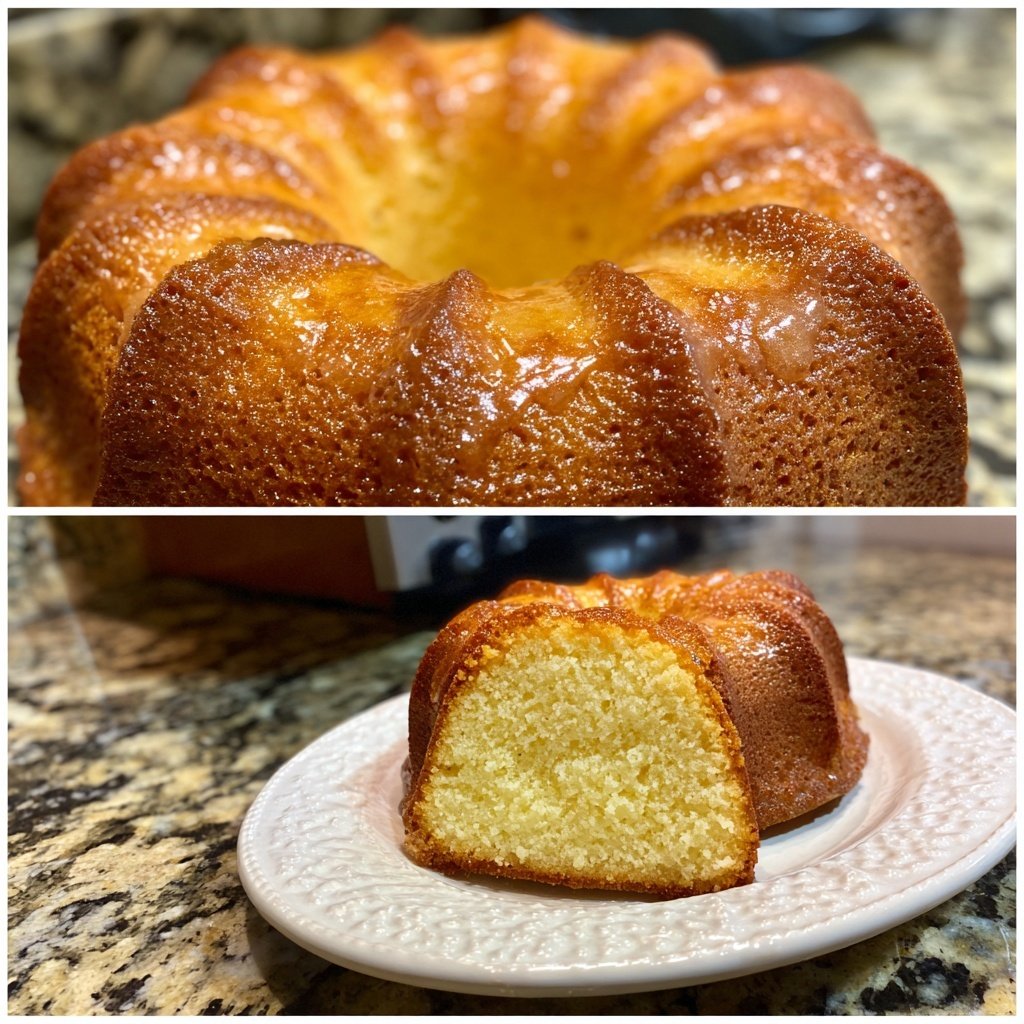
When adding the dry ingredients and milk alternately, mix on low speed to avoid overworking the batter. Overmixing can lead to a tough cake due to the development of gluten. Aim for a smooth batter with no large lumps, which may take about 30 seconds of mixing once all ingredients are combined. A visual cue is that the batter should flow easily but still hold its shape when spooned.
Serving and Storing Your Cake
Once your cake has cooled, it’s ready for frosting or serving plain. A simple dusting of powdered sugar or a drizzle of cream cheese frosting complements the vanilla flavor beautifully. For a fruitier touch, consider topping it with seasonal berries and whipped cream. If you want to make individual servings, you can cut the cake into squares and serve with a scoop of vanilla ice cream for an extra treat.
Should you have leftovers, store the cake in an airtight container at room temperature for up to three days. If you need to store it for a longer period, wrap slices tightly in plastic wrap and freeze them for up to three months. When ready to enjoy again, thaw at room temperature for a few hours before serving, or microwave a slice for about 15 seconds for a delightful warm dessert.
Ingredients
Classic Vanilla Butter Cake Ingredients
- 1 cup unsalted butter, softened
- 2 cups granulated sugar
- 4 large eggs
- 1 tablespoon pure vanilla extract
- 3 cups all-purpose flour
- 1 tablespoon baking powder
- 1/2 teaspoon salt
- 1 cup milk
Make sure to measure your ingredients accurately for the best results!
Instructions
Preheat the Oven
Preheat your oven to 350°F (175°C) and prepare a 9x13 inch baking pan by greasing it with butter and dusting it with flour.
Cream Butter and Sugar
In a large mixing bowl, beat the softened butter and granulated sugar together until the mixture is light and fluffy, about 5 minutes.
Add Eggs and Vanilla
Add the eggs one at a time, ensuring each is fully incorporated before adding the next. Mix in the vanilla extract.
Combine Dry Ingredients
In another bowl, whisk together the flour, baking powder, and salt. Gradually add this dry mix to the wet ingredients, alternating with the milk.
Bake the Cake
Pour the batter into the prepared pan and smooth the top. Bake in the preheated oven for 30 minutes or until a toothpick inserted in the center comes out clean.
Cool and Serve
Once baked, allow the cake to cool in the pan for 10 minutes before transferring it to a wire rack to cool completely before frosting.
Enjoy your homemade classic vanilla butter cake!
Pro Tips
- Be cautious not to overmix the batter after adding the dry ingredients to ensure a tender cake. Let the cake cool completely to avoid a soggy frosting.
Troubleshooting Common Issues
If your cake ends up too dense, it may be a sign of overmixing or using too much flour. To prevent this, always measure your flour by spooning it into the measuring cup and leveling it off with a knife. On the other hand, if your cake falls in the center, it could be underbaked; always use the toothpick test and check if it's done baking.
Another common issue is a dry cake, which can occur if it was baked too long or at too high a temperature. Ensure your oven temperature is accurate by using an oven thermometer. Bake until golden edges form, and the cake springs back when lightly pressed in the center.
Variations to Explore
Feel free to experiment with flavors beyond vanilla! Almond extract can be used in place of vanilla for a delightful twist. Additionally, incorporating lemon or orange zest can add a fresh citrus note. If you’d like a chocolate version, swap out 1 cup of flour for cocoa powder to create a rich chocolate butter cake that pairs beautifully with vanilla frosting.
For a spiced version, you can add ground cinnamon or nutmeg to the dry ingredients. This is an excellent way to transition the cake into a seasonal treat, perfect for autumn gatherings or holiday celebrations.
Questions About Recipes
→ Can I use salted butter instead of unsalted?
Yes, but if you do, consider reducing the added salt in the recipe.
→ Can I substitute the milk for a non-dairy alternative?
Absolutely! Almond milk or oat milk work well as substitutes.
→ How can I store leftover cake?
Store in an airtight container at room temperature for up to 3 days or refrigerate for up to a week.
→ Can I add flavors other than vanilla?
Yes, you can replace vanilla with almond extract or add citrus zest for a fresh twist.
Baking & Desserts Classic Vanilla Butter Cake
Created by: Ruby Lawson
Recipe Type: Oven-Made Sweets
Skill Level: Intermediate
Final Quantity: 8 servings
What You'll Need
Classic Vanilla Butter Cake Ingredients
- 1 cup unsalted butter, softened
- 2 cups granulated sugar
- 4 large eggs
- 1 tablespoon pure vanilla extract
- 3 cups all-purpose flour
- 1 tablespoon baking powder
- 1/2 teaspoon salt
- 1 cup milk
How-To Steps
Preheat your oven to 350°F (175°C) and prepare a 9x13 inch baking pan by greasing it with butter and dusting it with flour.
In a large mixing bowl, beat the softened butter and granulated sugar together until the mixture is light and fluffy, about 5 minutes.
Add the eggs one at a time, ensuring each is fully incorporated before adding the next. Mix in the vanilla extract.
In another bowl, whisk together the flour, baking powder, and salt. Gradually add this dry mix to the wet ingredients, alternating with the milk.
Pour the batter into the prepared pan and smooth the top. Bake in the preheated oven for 30 minutes or until a toothpick inserted in the center comes out clean.
Once baked, allow the cake to cool in the pan for 10 minutes before transferring it to a wire rack to cool completely before frosting.
Extra Tips
- Be cautious not to overmix the batter after adding the dry ingredients to ensure a tender cake. Let the cake cool completely to avoid a soggy frosting.
Nutritional Breakdown (Per Serving)
- Calories: 380 kcal
- Total Fat: 26g
- Saturated Fat: 15g
- Cholesterol: 195mg
- Sodium: 85mg
- Total Carbohydrates: 32g
- Dietary Fiber: 3g
- Sugars: 24g
- Protein: 6g